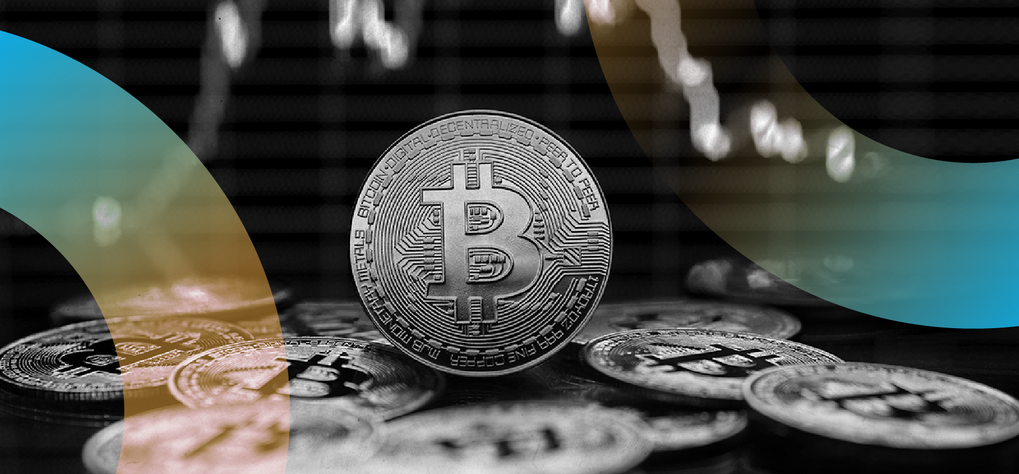
After a period of relative stability, Bitcoin volatility has re-emerged as a defining feature of the digital asset market in early 2026. The world’s largest cryptocurrency, Bitcoin, has experienced sharp price movements in recent weeks, reflecting a complex mix of macroeconomic uncertainty, institutional trading activity, regulatory developments, and shifting investor sentiment.
Market analysts note that the renewed turbulence is not necessarily a sign of structural weakness. Instead, it reflects Bitcoin’s growing integration into global financial systems, where macroeconomic data, interest rate expectations, and capital flows increasingly influence digital asset prices.
The crypto market, once considered isolated from traditional finance, now responds rapidly to the same forces that move equities, bonds, and commodities.
Macroeconomic Forces Drive Price Swings
One of the primary catalysts behind Bitcoin’s renewed volatility is uncertainty surrounding global interest rate policy. Investors closely monitor signals from central banks, particularly the Federal Reserve, regarding inflation trends and potential rate adjustments.
When expectations shift toward higher interest rates, risk-sensitive assets — including cryptocurrencies — often experience downward pressure. Higher rates typically strengthen fiat currencies and government bond yields, reducing the relative appeal of speculative investments.
Conversely, when markets anticipate rate cuts or accommodative monetary policy, Bitcoin frequently attracts renewed capital inflows. Investors seeking alternative stores of value or inflation hedges may increase crypto exposure during periods of monetary easing.
In this environment, even minor changes in economic data — such as employment reports or inflation metrics — can trigger significant price reactions in digital asset markets.
Institutional Participation Amplifies Movements
Unlike the early years of cryptocurrency trading, today’s Bitcoin market includes substantial institutional participation. Hedge funds, asset managers, family offices, and publicly listed companies now hold Bitcoin as part of diversified portfolios.
The involvement of large investors has increased liquidity but also intensified volatility during periods of rapid reallocation. Institutional traders often utilize algorithmic strategies, derivatives, and leverage, which can accelerate price swings.
Exchange-traded products linked to Bitcoin have further integrated the asset into mainstream financial systems. When broader equity markets experience turbulence, correlated selling may spill over into crypto markets.
While institutional adoption enhances legitimacy, it also exposes Bitcoin to systemic market dynamics that were less influential in its early development.
Derivatives Markets and Leverage Effects
The growth of Bitcoin derivatives trading — including futures and options contracts — plays a significant role in price volatility. High leverage ratios can amplify both upward and downward price movements.
When prices decline sharply, leveraged positions may be liquidated automatically, creating cascading sell-offs. Similarly, short squeezes can trigger rapid upward spikes when traders betting against the market are forced to close positions.
Crypto exchanges now manage billions of dollars in open interest across derivatives markets. While these instruments improve hedging opportunities and price discovery, they also introduce additional layers of complexity.
Regulatory scrutiny of leverage practices continues to evolve as authorities assess systemic risk implications.
Regulatory Developments Shape Sentiment
Regulatory clarity remains a central theme influencing Bitcoin markets. Policymakers worldwide are refining frameworks to govern digital assets, focusing on investor protection, anti-money laundering compliance, and market transparency.
Announcements from major economies regarding taxation policies, custody requirements, or trading restrictions can significantly impact market confidence.
Although Bitcoin operates on a decentralized network, trading platforms and custodial services often fall under national regulatory jurisdictions. Changes in compliance standards or enforcement actions can alter liquidity dynamics.
At the same time, greater regulatory clarity is viewed by many investors as a positive development, potentially encouraging broader institutional adoption over the long term.
Bitcoin as Digital Gold: Narrative and Debate
Bitcoin is frequently described as “digital gold,” reflecting its capped supply and decentralized design. Supporters argue that its fixed issuance schedule provides protection against inflationary monetary policies.
However, critics note that Bitcoin’s price volatility challenges its function as a stable store of value. Gold historically exhibits lower short-term price swings compared to cryptocurrencies.
During recent volatility episodes, Bitcoin’s correlation with equity markets has sparked debate regarding its role in diversified portfolios. Some analysts contend that over time, as adoption broadens, volatility may decrease.
Others believe that Bitcoin’s relatively limited market depth compared to global asset classes inherently produces higher price sensitivity.
Mining Economics and Supply Dynamics
Bitcoin’s supply mechanism contributes to its price behavior. New coins are introduced through a process known as mining, where computational power secures the network.
Mining profitability depends on electricity costs, hardware efficiency, and Bitcoin’s market price. During periods of price decline, some mining operations may reduce activity, affecting short-term supply dynamics.
The most recent halving event — which reduced block rewards — has further constrained new supply issuance. Historically, such events have influenced long-term price cycles, though short-term volatility remains common.
Energy consumption debates also influence market sentiment, particularly in regions where environmental regulations are tightening.
Retail Investor Behavior
Retail investors continue to play a prominent role in Bitcoin trading. Social media sentiment, online trading communities, and mobile investment apps contribute to rapid shifts in market momentum.
Periods of rapid price appreciation often attract new participants, while sudden downturns can trigger panic selling. Behavioral finance dynamics — including fear of missing out (FOMO) and loss aversion — remain visible in crypto markets.
However, compared to earlier market cycles, retail participation is now supplemented by more sophisticated analytics and broader educational resources.
Global Geopolitical Factors
Geopolitical tensions and currency instability in certain regions have also influenced Bitcoin demand. In countries facing high inflation or capital controls, individuals may turn to digital assets as alternative financial instruments.
Cross-border transactions facilitated by blockchain networks provide flexibility in regions with limited access to traditional banking infrastructure.
While Bitcoin is not universally accepted as legal tender, its decentralized nature appeals to users seeking financial autonomy.
Market Infrastructure and Security
Improvements in crypto market infrastructure have enhanced trading efficiency. Custodial solutions, insurance coverage, and compliance frameworks have matured significantly.
Major exchanges invest heavily in cybersecurity to prevent hacks and safeguard user funds. Nevertheless, security incidents — even if isolated — can temporarily impact investor confidence.
Technological resilience remains fundamental to Bitcoin’s long-term credibility.
Long-Term Outlook Amid Short-Term Volatility
Despite renewed price fluctuations, many analysts emphasize that volatility is not unusual in emerging asset classes. Bitcoin’s historical trajectory includes multiple cycles of rapid expansion followed by correction.
Long-term adoption trends continue to expand, with corporations integrating crypto payment options and financial institutions offering custody services.
The key question facing investors is whether Bitcoin’s increasing integration into mainstream finance will ultimately stabilize its price or further synchronize it with broader market cycles.
Some experts argue that as liquidity deepens and regulatory frameworks solidify, price swings may moderate. Others believe that macroeconomic sensitivity will remain inherent.
Conclusion: A Market Maturing Under Pressure
Bitcoin’s renewed volatility reflects a maturing asset navigating complex global financial dynamics. No longer isolated from traditional markets, it responds to economic data, institutional flows, regulatory announcements, and geopolitical events.
While short-term price movements may unsettle some investors, others view volatility as a characteristic of innovation-driven markets undergoing structural integration.
The coming years will likely determine whether Bitcoin transitions toward reduced volatility and broader acceptance or continues to experience pronounced cyclical fluctuations.
For now, one reality remains clear: as global financial systems evolve, Bitcoin occupies a central — and increasingly influential — position within the digital asset landscape.