









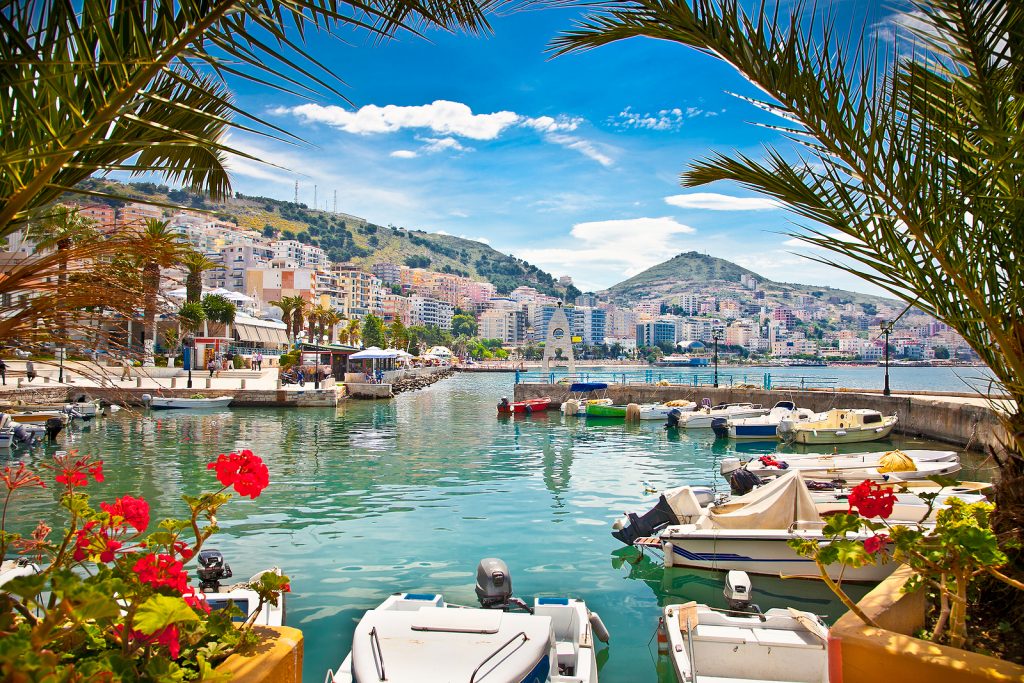
Albania is increasingly attracting international attention as one of Europe’s emerging travel destinations. Once considered a hidden corner of the Balkans, the country is now being discovered by travelers seeking authentic experiences, natural beauty, and cultural richness. Tourism experts note that Albania offers a rare combination of coastline, mountains, and historical heritage within a relatively small territory.
One of the strongest attractions is Albania’s diverse landscape. Visitors can explore pristine beaches along the Ionian and Adriatic Seas, while also enjoying alpine scenery in the northern regions. This geographic variety allows tourists to experience multiple types of vacations in a single trip, from seaside relaxation to mountain hiking and rural exploration.
Cultural tourism also plays an important role in Albania’s growing popularity. Ancient ruins, Ottoman-era architecture, and UNESCO-listed cities such as Gjirokastër and Berat offer travelers a deep connection to history. Local traditions, music, and cuisine further enhance the sense of authenticity that many modern tourists seek.
Affordability remains a key factor in Albania’s tourism appeal. Compared to many Western European destinations, travel costs in Albania are relatively low, including accommodation, food, and transportation. This makes the country particularly attractive to young travelers, digital nomads, and families looking for quality experiences at reasonable prices.
Infrastructure improvements have supported this tourism growth. Road networks, airports, and hospitality services have expanded in recent years, making travel within the country more accessible. As Albania continues to invest in sustainable tourism development, it is positioning itself as a long-term competitor in the European travel market.